Asides from a girl on the gogo
Vertical Gardening Print E-mail
Written by Amy Pennington   
Wednesday, 06 January 2010

Making your plans for 2010?

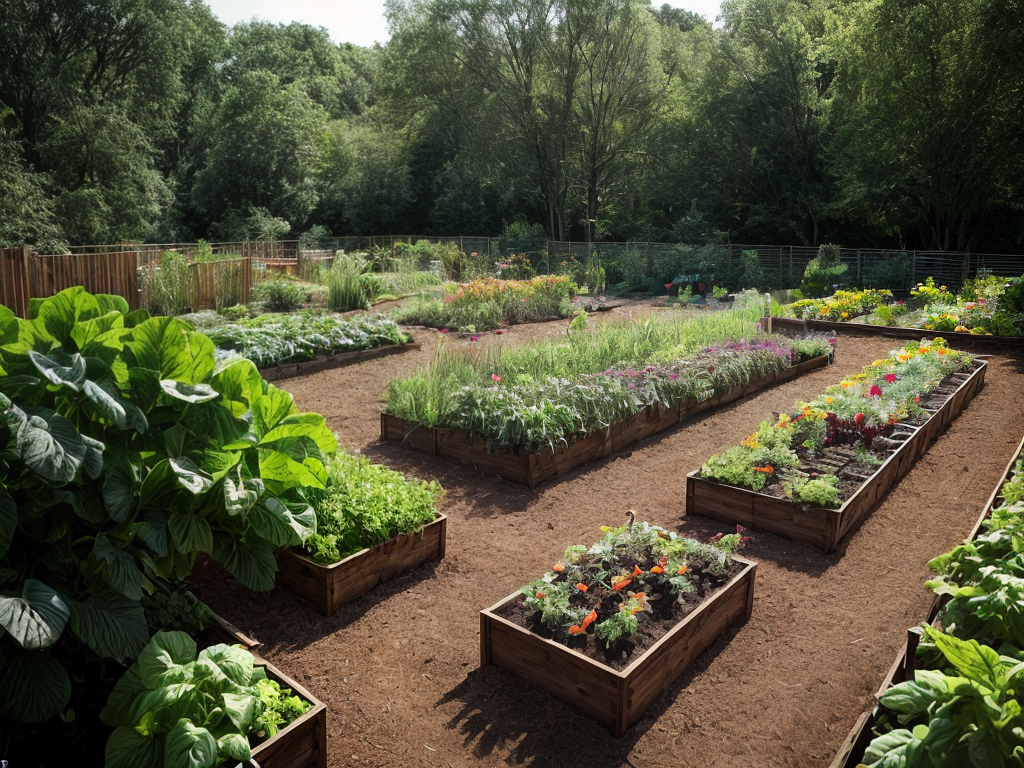
 Be sure to explore space-saving measures such as adding container plants outside of your bed (zucchini's do well in pots & are too large for small urban beds) and vertical gardening .  Winter is a great time for strategizing!


Soil Disease? Print E-mail
Written by Amy Pennington   
Monday, 23 November 2009

It is widely accepted that moving members of the nightshade family through your garden and following crop rotation is a must.  Typically, it is recommended that tomatoes (and other nightshades like potatoes or eggplant) should only be planted every sixth growing cycle - that's about every year and a half if you grow intensively.

With that I received an email recently from an urban gardener planting in her parking strip.  She has been planting tomatoes in the same spot for 3 years and just this year encountered a problem.

"We converted our planting strip into a vegetable garden with the neighbor and have in the past had great success with fruit and veggies.  Last year our tomato crop got a disease where they would come in and the tops would turn brown.  We were told it was a soil issue and we’d have to replace all the soil before planting tomatoes again, which is fine.  I also think despite planting clover, we didn’t do enough to prepare our soil this year.  Do you have a tips sheet for winter garden prep that you could share or a link to a legitimate and locally appropriate site that might be able to offer guidance?"

It is hard to diagnose a plants diseases without actually looking at the plant or watching the disease advance, but there are alot of resources online.  Read here and here to check out some information and make assessments if you've experienced a similar problem.  Hopefully these will inspire you and educate you as to why rotating crops is so important, particularly in our small urban gardens.

Here is a breakdown of how and why to avoid soil borne disease, from the National Sustainable Agriculture Information Service.  It's a great site to bookmark for the future!

 
Tomato Blight Print E-mail
Written by Amy Pennington   
Thursday, 30 July 2009

This is an excellent account from a farmer about the problems with Tomato Blight and commercial agriculture.  A must read.  It speaks to the spread of disease, but like we have witnessed the spread of health crisis in the past.  The question is - do we ban all shipment of plants and thrwat commercial agriculture?  Do we set up subsidies for farmers at risk of losing a big percentage of their annual income?  What is the solution to this?  Email me here, if you have some thoughts - This e-mail address is being protected from spam bots, you need JavaScript enabled to view it


Preserving Apricots & Cherries Print E-mail
Written by Amy Pennington   
Saturday, 18 July 2009

Last week, I got together with a handful of food-loving friends in a gorgeous kitchen (6 gas burners!) to preserve cherries and apricots.  We put up about 30 pounds of cherries and 35 pounds of apricots in six hours. Lots of work and lots of "steam facials", but a fun day all in all.

I have been canning for years.  I preserve for my clients when they can't keep up with the bounty from their gardens. Preserving can includes freezing or dehydrating foods, as well, not just canning. For two reasons, this year I decided to expand my canning circle and work with friends. Firstly, because Marcus asked me to.  Having just seen the movie Food, Inc . Marcus wants to commit to eating local all year long.  This makes winter a bit more difficult to get through, so he is turning to preservation to extend the season.  Smart guy!  He asked for my help and guidance, and of course I agreed. Secondly, this is a way more economical way to preserve food.  When you buy 40 pounds of something, the price is often cheaper than when you're purchasing in small quantities.  I purchase gobs of 'seconds' from farmers, too - they are less expensive and work just as well. 

I'm not sure if this is the most efficient way to can, but it was certainly more pleasant catching up with friends than doing it on my own.  I'm going to give it a few more gos before I decide.  But for now, we are calling ourselves the Seattle Stockpilers .  Look out winter.............here we come!


Organic Tomatoes Print E-mail
Written by Amy Pennington   
Thursday, 16 July 2009

UC Davis, those smarties down in California, just released a 10-year study comparing the "Influence of Organic and Conventional Crop Management Practices on the Content of Flavonoids in Tomatoes".  Flavonoids are "plant secondary metabolites" and are commonly known for their antioxidant qualities. They also help the plant produce pigment which in turn attracts polliantors. You know, all the good stuff.

You can read the study here, but in essence organic tomatoes contain higher levels of minerals.  The study compared conventionally grown fruits to those grown on organic plots over the course of 10 (!) years, and noted the nutritent content.  If you take the time to read, you will note that they attribute this to increased amounts of organic matter in the soil, and the decreased need to add manures (ie fertilizer) to the gardens. 

This is exactly what I encourage urban gardeners to do at home - practice crop rotation!! And build up your soil.  It really does pay in the long run. Even those fancy scientists agree.


Tomato Pruning in the Urban Garden Print E-mail
Written by Amy Pennington   
Sunday, 12 July 2009

Come summertime, when the air is hot and the sun is high, everyone comes down with a little case of tomato-fever. I'm not sure how this plant entered such epochal proportions as to measure the success of a home gardener, but it has. It seems if you can grow a good tomato, you'll be awarded with some stamp-of-approval from the tomato gods. With that, here is one more demystified trick for you to consider.

TOMATO SUCKERS are the small sets of leaves that grow between the main stem, and a leafy branch of tomato plants. These suckers, if left to grow, will be one more flowering & fruiting stem for the plant. These additional fruits will ultimately compete for nutrients from the plant, and over time lessen the chances of all fruit coming to delicious maturity. Our NW season, in particular, can not support such prolific tomato production. Our summers are not uber-hot or long, and so tomatoes do well with a little pruning.

Pruning, in this case, refers to snapping off those little suckers.  When the leaves are still small (say, 3-4 inches) you can snap them off with your fingers. If you let them get much larger, it's best to use a set of sheers. Typically, starting mid-July after the plants have some good strong growth and the weather is consistently warm, I snap off suckers without pause from the top half (*) of the plant. Any new suckers coming up from mid-July on will likely not develop in to ripe tomatoes, anyway. (Remember - too short a season!) Additionally, I prune about 30% of the green leaves off the tomato vine, allowing for air to pass through, sun to shine on the fruit (helps with sweetness) and allows me to clearly see when tomatoes are ripe.  This has never caused damage to the plant or overall tomato production.

If this is your first year pruning, start small and be cautious. You'll get the hang of it once you observe how and when different plants set fruit. Our 'job' as home cooks and gardeners, is to produce the most luscious tomato for our table. Keep that in mind, and you won't have a problem getting rid of suckers and excess leaves. I'll post more soon about different tomato varieties and why/how some can be pruned more than others. For now, this is a great start.

One last note -some people (like me) find the leaves of tomato plants highly irritable to their skin. For this reason, I always, always wear gloves when dealing with tomato plants.


* I leave some suckers on the bottom portion of all my small tomato and cherry tomato plants. Because cherry tomatoes are smaller, they ripen faster and therefore, the plant can support more production.

.


<< Start < Prev 1 2 3 4 5 6 7 Next > End >>

Results 1 - 6 of 40
[ Back ]